Concrete floor sealers in Dublin are a bit like invisible shields for your floors. You might not notice them at first glance, but once you see the difference they make, it’s hard to imagine going without. Living in Dublin, with its ever-changing weather and bustling foot traffic, means your concrete floors are always under attack. Rain, mud, spills, and even the odd pint—these floors see it all. So, how do you keep them looking sharp and standing strong? That’s where concrete floor sealers come in.
I remember the first time I walked into a friend’s newly renovated garage. The floor gleamed. It almost looked like polished stone, but it was just regular concrete—sealed and protected. I had to ask what his secret was. Turns out, he’d used a high-quality sealer, and he swore by the difference it made. Not just in looks, but in how easy it was to clean up after a weekend project or a rainy day.
Sealing your concrete floors isn’t just about making them look good, though that’s a big part of it. It’s about protection. Dublin’s climate can be tough on surfaces. All that moisture can seep into unsealed concrete, leading to cracks, stains, and even mould. A good sealer acts like a raincoat for your floor, keeping the damp out and the strength in.
If you’re thinking about sprucing up your home, garage, or business, don’t overlook your floors. Concrete floor sealers offer a simple, cost-effective way to add years to your surfaces. They make cleaning a breeze, prevent unsightly stains, and keep your floors looking fresh. Plus, with so many options available in Dublin, there’s a sealer out there to suit every style and need.
In this guide, we’ll take you through everything you need to know about concrete floor sealers in Dublin. From the benefits they bring to the different types available, we’ll cover application tips, maintenance advice, and how to choose the right product for your space. Whether you’re a DIY enthusiast or just want your floors to survive the Irish weather, you’re in the right place. Let’s get started and give your floors the protection they deserve!
Benefits of Using Concrete Floor Sealers
Have you ever wondered why some concrete floors in Dublin look absolutely stunning while others seem tired and worn out? The secret often lies in a simple step: sealing the concrete. Now, you might be thinking, “Is it really worth the effort?” Let me tell you, sealing your concrete floors can make a world of difference—not just in how they look, but also in how long they last.
First off, let’s talk about durability. Dublin weather can be a bit of a rollercoaster, can’t it? One minute it’s raining, the next it’s sunny. This constant change can wreak havoc on unprotected concrete. A good sealer acts like a raincoat for your floor, shielding it from moisture, stains, and even those pesky oil spills from your car. I remember my neighbour’s garage—before sealing, every winter left ugly salt stains and cracks. After sealing? It looked as good as new, year after year.
But it’s not just about protection. Sealed concrete floors are much easier to clean. Spilled your coffee? No problem. The sealer stops liquids from soaking in, so a quick wipe and you’re all set. This is especially handy in busy homes or commercial spaces where accidents happen often. It’s like having a safety net for your floors.
Here’s something I love: appearance. Sealing brings out the natural beauty of concrete. It can give your floor a subtle sheen or a glossy finish—whatever suits your style. Suddenly, what was once a bland, grey slab turns into a feature you actually want to show off. It’s a bit like polishing up an old pair of shoes; you don’t realise how good they can look until you try.
Let’s not forget about maintenance. Sealed floors resist dust and dirt, which means less sweeping and mopping for you. Over time, that saves both effort and money. And if you’re worried about the environment, many modern sealers are formulated to be eco-friendly, so you can protect your floors and the planet at the same time.
In summary, the in Dublin are clear. They enhance durability, prevent stains, improve appearance, and make maintenance a breeze. If you want your concrete floors to stand the test of time—and look good doing it—a quality sealer is a smart investment.
Types of Concrete Floor Sealers Available in Dublin
When it comes to concrete floor sealers in Dublin, you’re not short on choices. But let’s be honest, walking into a hardware shop and seeing shelves stacked with cans, buckets, and bottles can be downright overwhelming. I remember the first time I tried picking a sealer for my own garage floor. I stood there, scratching my head, wondering if I needed something shiny, something tough, or just something that would stop my dog’s muddy paw prints from sinking in forever. The truth is, each type of sealer comes with its own set of perks and quirks—so let’s break it down in a way that actually makes sense.
Acrylic sealers are probably the most popular choice for homeowners in Dublin. Why? Because they’re easy to use, dry quickly, and leave a nice, glossy finish that really makes your concrete pop. Think of them as the “quick fix” for floors that need a little sprucing up. They’re perfect for indoor areas like kitchens and basements, or outdoor patios that don’t get battered by the elements too often. But here’s the catch: while acrylics look great, they might need a touch-up every couple of years, especially if your floor sees a lot of foot traffic.
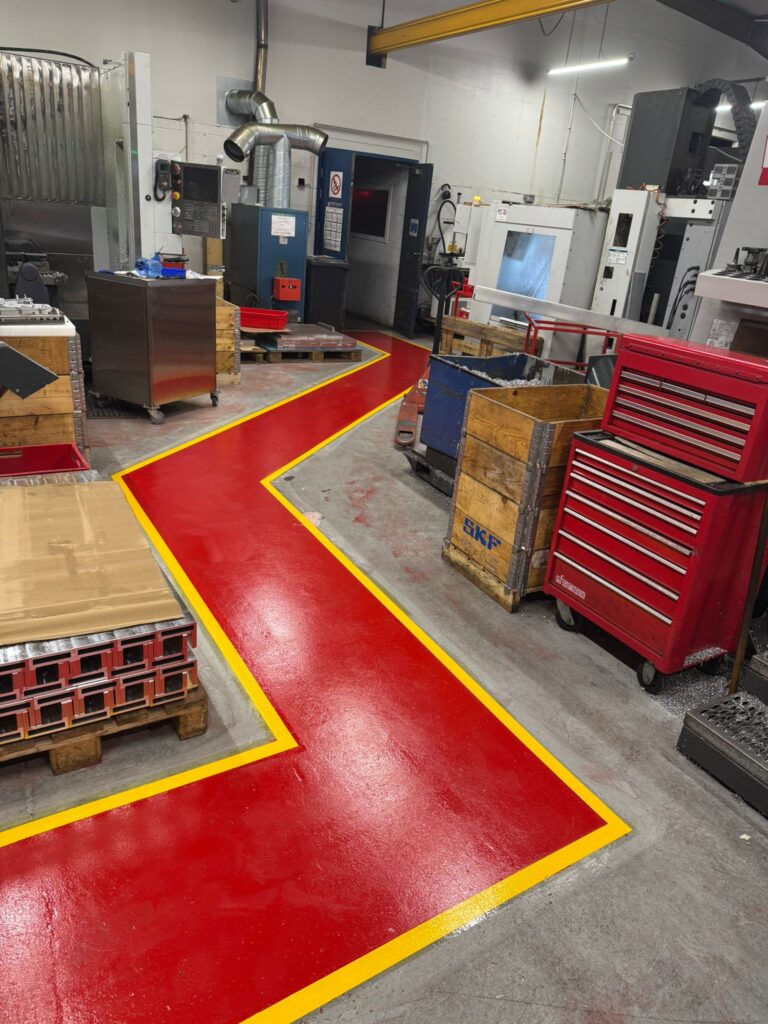
Epoxy sealers are the heavyweights of the bunch. If you want something that can handle just about anything—oil spills, dropped tools, or even the odd bicycle tyre skid—epoxy is your go-to. These are often used in garages, warehouses, and busy commercial spaces across Dublin. Epoxy creates a thick, durable layer that acts almost like a shield for your floor. The downside? You’ll need to set aside some time for prep and application. It’s not a slap-it-on-and-go job. But if you’re after long-lasting protection, it’s worth the effort.
Then there’s polyurethane sealers. If acrylics are the sprinters and epoxies are the weightlifters, polyurethanes are the marathon runners. They’re known for their exceptional durability and resistance to chemicals, abrasions, and UV rays. That means they’re ideal for areas that see a lot of sunlight or heavy use—think driveways, commercial showrooms, or even those trendy Dublin cafés with polished concrete floors. Polyurethane also tends to offer a slightly softer, more natural-looking finish compared to the glassy shine of acrylics.
To help you compare, here’s a handy table that lays out the main features of each type:
| Type | Main Benefits | Best For | Finish |
|---|---|---|---|
| Acrylic | Quick-drying, easy application, enhances colour | Indoor floors, patios, decorative concrete | Glossy or matte |
| Epoxy | Ultra-durable, resists stains and chemicals | Garages, warehouses, commercial spaces | Thick, glossy |
| Polyurethane | Long-lasting, UV resistant, flexible finish | Driveways, outdoor areas, high-traffic floors | Natural, satin or matte |
Of course, there are other options you might come across, like penetrating sealers—these soak deep into the concrete and are great for protecting against moisture without changing the look of your floor. But for most people in Dublin, the decision usually comes down to acrylic, epoxy, or polyurethane.
So, how do you pick the right one? It’s all about your needs. For a quick refresh, acrylic is your friend. For serious protection, go epoxy. And for something that’ll stand the test of time—rain, shine, or spilled coffee—polyurethane’s your best bet. Just remember, no matter which you choose, sealing your concrete floor is like giving it a suit of armour. And in a city like Dublin, where weather and wear can be unpredictable, that’s a smart move.
Application Process for Concrete Floor Sealers
Applying a concrete floor sealer in Dublin isn’t rocket science, but it does require care and attention to detail. The process might sound intimidating at first, but trust me, once you break it down, it feels a lot like following a simple recipe. Whether you’re sprucing up your garage, basement, or a busy shop floor, the steps are mostly the same. And yes, I’ve been there—kneeling on cold concrete, wondering if I’d ever get that smooth, glossy finish. But with the right approach, you absolutely can.
First things first, surface preparation is crucial. You wouldn’t paint over a dirty wall, right? The same goes for concrete. Start by giving the floor a thorough sweep to remove any dust, debris, or loose particles. Sometimes, you might spot oil stains or old paint splatters—these need special attention. A degreaser or a concrete cleaner does wonders for stubborn spots. If your floor is new, make sure it’s fully cured. This usually takes about 28 days. Rushing this step is like icing a cake before it’s baked—it just won’t work.
Once your surface is squeaky clean and dry, it’s time to choose the right sealer. There’s a bit of an art to this. Some folks prefer water-based sealers for their low odour and easy cleanup, while others swear by solvent-based options for their durability and shine. If you’re unsure, consider where the floor is located and what kind of traffic it will see. For example, a family kitchen might need a different sealer than a warehouse floor. Take your time here; this choice will impact how your floor looks and lasts.
Now, let’s talk about application techniques. Most sealers can be rolled on with a long-handled roller, but some can be sprayed for a more even coat. Personally, I prefer rolling—it gives me more control and helps spot any missed patches. Make sure to work in small sections, keeping a wet edge to avoid streaks and lap marks. If you’re aiming for a thicker finish, you might need a second coat. Always check the manufacturer’s instructions for drying times between coats. It’s a bit like waiting for paint to dry—patience pays off.
One tip I learned the hard way: ventilation matters. Some sealers give off strong fumes, so open windows and doors if you can. And don’t forget protective gear—gloves, goggles, and a mask are your best friends during this process. Safety isn’t just a suggestion; it’s a must.
After the final coat, resist the urge to walk on the floor right away. Most sealers need at least 24 hours to cure properly, sometimes more if the weather is damp or chilly. It’s tempting to test out that glossy surface, but trust me, waiting will give you a tougher, longer-lasting finish. Here’s a quick overview for reference:
| Step | Details |
|---|---|
| Preparation | Clean, dry, and repair the surface; remove stains and debris |
| Sealer Selection | Choose based on location, traffic, and desired finish |
| Application | Roll or spray in thin, even coats; avoid overlaps |
| Drying | Allow sufficient time between coats and before use |
In the end, applying a concrete floor sealer is all about patience and precision. Take it from someone who once tried to cut corners—doing it right the first time saves a lot of hassle. If you follow these steps, you’ll enjoy a floor that’s not just tough and good-looking, but also easy to maintain for years to come.
Choosing the Right Concrete Floor Sealer in Dublin
Picking the perfect concrete floor sealer in Dublin can feel a bit like searching for a needle in a haystack. There’s a dizzying array of products on the market, each promising the world. But let’s cut through the confusion together. The secret? Focus on what really matters: your environment, your needs, and your expectations. I’ve spent many afternoons chatting with neighbours and local contractors about their own choices. Trust me, everyone has a story. Some good, some not so much.
First things first: climate matters. Dublin’s weather is famously unpredictable. One minute it’s lashing rain, the next you’re squinting in the sun. This constant shift means moisture can sneak into unprotected concrete. So, you’ll want a sealer that stands up to both damp winters and the occasional summer heatwave. Penetrating sealers are often a safe bet here. They soak deep into the concrete, forming a barrier that repels water and resists mould. If you’ve ever seen a garage floor turn patchy after a wet week, you’ll know why this matters.
Next up: foot traffic. Is your concrete floor in a quiet home office? Or does it serve as the bustling heart of your family kitchen? Maybe it’s the main entrance to a busy Dublin café. High-traffic areas demand tougher sealers—think epoxy or polyurethane. These create a hard-wearing, glossy finish that shrugs off scuffs and stains. For quieter spots, a simple acrylic sealer might do the trick. I remember sealing my own hallway floor and being amazed at how much easier it was to mop up muddy footprints.
Let’s talk about the finish. Some folks love that shiny, almost glass-like look. Others prefer something more subtle—matte, natural, barely-there. It’s all about personal taste. If you’re after a dramatic shine, epoxy or urethane could be your best mates. Want to keep things understated? Penetrating sealers usually leave a more natural finish. Here’s a quick comparison table to help you weigh up your options:
| Sealer Type | Best For | Finish | Durability |
|---|---|---|---|
| Acrylic | Low to moderate traffic, quick fixes | Glossy or matte | Moderate |
| Epoxy | High-traffic, garages, commercial | Glossy | Very high |
| Polyurethane | Heavy-duty, industrial | Glossy or satin | Very high |
| Penetrating | Outdoor, moisture-prone areas | Natural, invisible | High |
Budget also plays a part. Some sealers are pricier, but they can save money in the long run by cutting down on repairs and cleaning. I’ve learned the hard way that going cheap can mean resealing sooner than you’d like. Sometimes, spending a bit more upfront is worth it for peace of mind.
Don’t forget about safety. Some sealers can make floors slippery, especially when wet. If you’ve got kids racing around or customers in high heels, look for products with added slip resistance. It’s a small detail, but it can make a world of difference.
Finally, think about maintenance. Some sealers need a touch-up every year or so, while others last for ages with just a quick sweep and mop. If you’re not keen on regular upkeep, opt for a low-maintenance product.
In summary, choosing the right concrete floor sealer in Dublin is about balancing climate, traffic, finish, budget, safety, and maintenance. Consider your own space—how it’s used, who walks on it, and what look you love. And if in doubt, ask around. Dubliners love to share advice, especially about home projects. You might just pick up a tip that saves you time, money, and hassle in the long run.