Concrete floor painting in Dublin isn’t just about slapping some colour on a dull surface. It’s about transforming your space—whether it’s a cosy home, a bustling garage, or a busy commercial floor—into something that looks fresh, feels clean, and lasts for years. If you’ve ever walked into a room and felt that the floor just drags the whole place down, you know what I mean. I remember stepping into my mate’s garage in Tallaght. The floor was stained, chipped, and looked decades old. After a quick paint job, though, it looked like a brand-new workshop. That’s the sort of impact we’re talking about.
Painting concrete floors in Dublin is gaining popularity for a simple reason: it works. The city’s unpredictable weather means floors take a beating from mud, rain, and even the occasional snow. A painted concrete floor doesn’t just look good—it stands up to all that wear and tear. Durability is key, but let’s not forget the aesthetic side. You can go for a classic grey, a bold blue, or even a sleek, glossy finish that makes your space pop. It’s like giving your floor a new lease of life, without the hassle and mess of full replacement.
Another thing I’ve noticed? Concrete floor painting is surprisingly versatile. It works in homes, yes, but also in shops, offices, gyms, and even cafes across Dublin. The right paint can handle heavy foot traffic, dropped tools, or even the odd coffee spill. And cleaning? A breeze. No more scrubbing at stubborn stains or worrying about unsightly marks. Just a quick mop and your floor is back to looking sharp.
If you’re worried about the process, don’t be. With the right prep, the right paint, and a bit of know-how, you can get results that rival the pros. Of course, there are experts in Dublin who can help, but it’s also a solid DIY project if you’re up for it. The trick is understanding what your floor needs, picking the right products, and following the steps carefully.
So, why choose concrete floor painting in Dublin? Simple. It’s cost-effective, tough, and opens up a world of design options. Whether you’re after a subtle update or a dramatic change, painting your concrete floor is a smart move. And let’s be honest—when you see the transformation, you’ll wonder why you didn’t do it sooner.
Benefits of Concrete Floor Painting
Concrete floor painting in Dublin is more than just a quick fix for tired, grey surfaces. It’s a smart way to breathe new life into both homes and businesses. Let’s be honest, bare concrete can look a bit drab and industrial. But with the right paint, you can transform a dull floor into a vibrant, inviting space. I remember the first time I painted my garage floor – the difference was staggering. Suddenly, the whole space felt cleaner and brighter. It’s like swapping an old pair of boots for something fresh and polished.
One of the biggest advantages of painting your concrete floor is improved durability. Think about all the foot traffic, spills, and scrapes your floors endure every day. A quality paint acts like a shield, protecting the concrete underneath from stains, oil spills, and even minor impacts. This is especially important in places like garages, kitchens, or busy commercial spaces in Dublin where floors take a real beating.
There’s also the ease of cleaning to consider. Ever tried scrubbing a raw concrete floor? Dust and dirt cling to every nook and cranny. But once you’ve painted the surface, it becomes smooth and sealed. Mopping up muddy footprints or spilled coffee is suddenly a breeze. For anyone who dreads cleaning days (like I do), this is a real game-changer.
Then there’s the aesthetic appeal. Concrete paint comes in a rainbow of colours and finishes. Want a sleek, modern look for your Dublin office? Or maybe a cosy, warm vibe for your basement? With the right paint, you can match any style. Some finishes even add a subtle sheen or texture, making the floor look expensive without the hefty price tag. It’s like giving your space a mini-makeover, minus the mess of a full renovation.
Let’s not forget about value. A freshly painted floor can instantly boost the overall impression of your property. Whether you’re welcoming customers into your shop or just want your family to enjoy a nicer home, that first impression counts. Plus, if you ever decide to sell, a well-maintained, stylish floor can help your property stand out in the competitive Dublin market.
For those with allergies, there’s another hidden perk. Sealing concrete with paint stops dust and allergens from escaping into the air. That means fewer sneezes and a healthier environment, especially important in homes with kids or pets.
To sum up, painting your concrete floor isn’t just about looks. It’s about protecting your investment, making life easier, and enjoying your space more. In a busy city like Dublin, where every square foot matters, that’s a benefit you can’t ignore.
Choosing the Right Paint and Finish
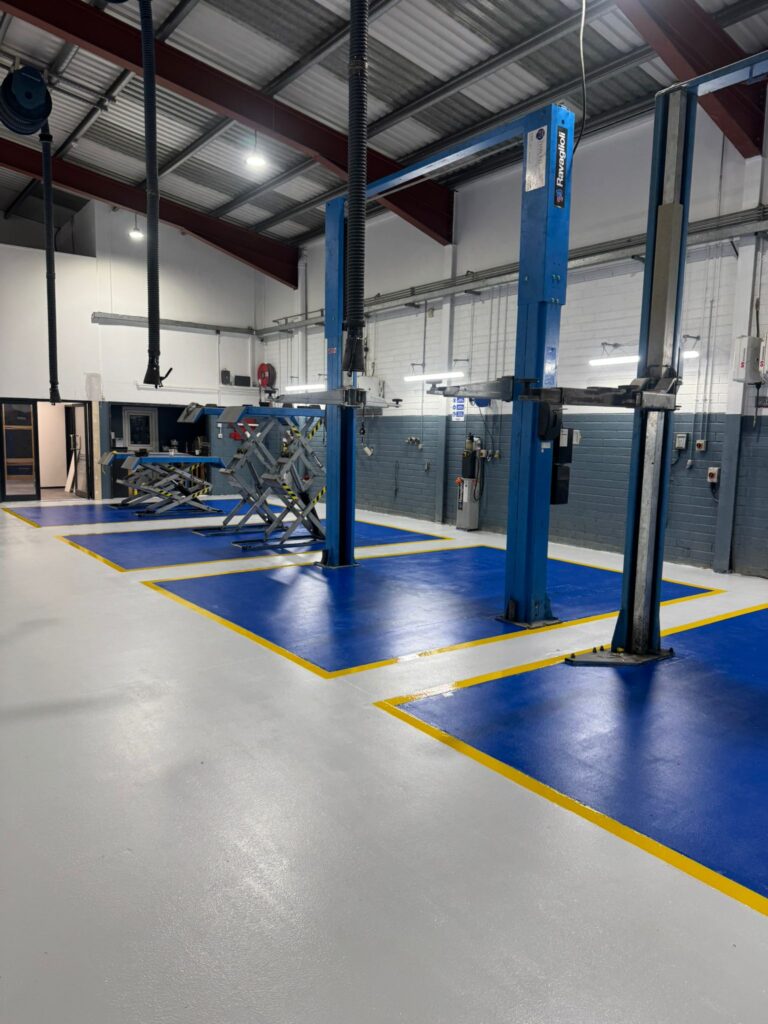
Selecting the right paint and finish for your concrete floor in Dublin is a bit like picking the perfect outfit for a special occasion. You want something that looks great, but it also has to be practical. It needs to stand up to daily wear and tear, whether it’s the hustle and bustle of a busy kitchen or the constant foot traffic in a commercial space. The wrong choice can leave you with a floor that chips, peels, or just looks tired before its time. So, let’s walk through what you need to know to get it right.
First off, not all paints are created equal. Concrete is a tough customer—it’s porous, heavy, and can be a bit moody when it comes to moisture. That’s why you can’t just grab any old tin of paint off the shelf. You need a product that’s designed specifically for concrete surfaces. In my own garage, I once tried using leftover wall paint. Big mistake. It peeled off in patches within weeks, leaving the floor looking worse than before. Lesson learned: always choose a paint formulated for concrete.
There are two main contenders when it comes to concrete floor paints: epoxy and acrylic. Epoxy paints are the heavyweights. They’re tough, resistant to chemicals, and create a glossy, almost glass-like finish. Perfect for garages, workshops, or anywhere you need a hard-wearing surface. Acrylic paints, on the other hand, are a bit more forgiving. They dry quickly, are less expensive, and come in a wide range of colours. They’re ideal for areas with lighter foot traffic or where you want to change up the look every few years.
But the finish matters just as much as the paint itself. Do you want a glossy, reflective look that bounces light around the room? Or do you prefer a matte finish that hides scuffs and gives a more understated vibe? I’ve seen some stunning results with satin finishes in living spaces—they strike a nice balance between shine and subtlety. Glossy finishes can look amazing in showrooms or kitchens, but they will show up dirt and scratches more easily.
Matching your paint and finish to the room’s use is crucial. For example, if you’re painting a floor in a damp basement in Dublin, you’ll want a paint that can handle moisture. Some products come with built-in sealers or anti-slip additives, which are a real lifesaver in wet or high-traffic areas. Here’s a quick comparison table to help you weigh up your options:
| Paint Type | Best For | Key Benefits | Potential Drawbacks |
|---|---|---|---|
| Epoxy | Garages, workshops, commercial spaces | Extremely durable, chemical resistant, glossy finish | Longer curing time, more prep, higher cost |
| Acrylic | Homes, basements, light-traffic areas | Quick drying, easy to apply, affordable, wide colour range | Less durable, may need more frequent touch-ups |
Don’t forget about colour. It’s not just about style—lighter colours can make a room feel bigger and brighter, while darker shades hide stains better. In Dublin, where the weather can be grey, a lighter floor can lift the mood of a space. But if you’re worried about muddy boots or oil spills, a mid-tone grey or taupe might be your best bet.
Finally, always check the manufacturer’s recommendations. Some paints need a primer, others don’t. Some finishes require a topcoat for extra protection. Skipping these steps is like baking a cake and forgetting the icing—it just doesn’t hold up as well. And remember, the right paint and finish won’t just make your floor look good. They’ll help it last for years, with less hassle and fewer repairs down the line.
Preparation and Application Process
Getting ready to paint a concrete floor in Dublin? You’re not just slapping on a coat and calling it a day. There’s a real art to it. Preparation is the secret sauce. Trust me, I learned this the hard way after my first garage project ended up with more flakes than a bowl of cereal. Let’s dive into how the pros do it, step by step, so your floor ends up smooth, tough and looking sharp.
First things first – clean that surface! Dust, oil, and old paint are the enemies here. If you skip this, any paint you put down will bubble or peel. Grab a stiff brush, a good degreaser, and get scrubbing. For really stubborn stains, a pressure washer works wonders. I once thought a quick sweep would do the trick – big mistake. The paint peeled within weeks. So, don’t cut corners here.
Next up: repairs. Dublin’s weather can be tough on concrete. You might spot cracks, holes, or even little craters. Fill these in with a concrete patch compound. Let it dry completely. This step is like putting on a good undercoat before painting a wall – it makes everything smoother and stronger. If you ignore those cracks, they’ll just get worse under the paint.
Ready to prime? You should be! Primer is your best friend when it comes to painting concrete. It helps the paint stick and stops moisture from sneaking in underneath. Choose a primer that’s made for masonry or concrete – don’t just grab any old can off the shelf. Apply it evenly and let it dry as recommended on the tin. In Dublin’s damp climate, this step is essential for a long-lasting finish.
Now, for the main event: painting. Pick a high-quality concrete floor paint. Epoxy or polyurethane-based paints are top choices. They’re tough and resist scuffs, stains, and even the odd bike tyre mark. Stir the paint well before you start – you don’t want streaks or uneven colour. For large areas, a roller on an extension pole is your friend. For edges and corners, use a brush.
- Apply the first coat thinly and evenly.
- Let it dry fully – patience pays off here.
- Add a second coat for extra durability and a richer finish.
Temperature and timing matter. Paint when it’s dry and mild – not too hot, not too cold. Humidity can mess with drying times, so check the weather before you start. I once ignored this advice and painted just before a rainstorm. The result? A patchy, sticky mess that took forever to dry.
Finishing touches count. Once the paint is dry, you might want to add a clear sealer for extra protection. This is especially handy in busy garages or commercial spaces. It acts like a shield, making your new floor easier to clean and even more resistant to stains and scratches.
In summary, preparation and application are the backbone of a great concrete floor painting job in Dublin. Don’t rush. Take your time with each step, and you’ll end up with a floor that’s as tough as it is good-looking. And remember, every minute you spend on prep saves you hours of fixing mistakes later. That’s a lesson I learned the hard way – but now, my floors look brilliant and last for years.
Common Challenges and Solutions
Painting concrete floors in Dublin can feel like a walk through a maze. You start off thinking it’s simple. But then, you hit a snag. Or two. Or three. Trust me, I’ve been there myself—paint roller in hand, staring at a stubborn crack that just won’t quit. Let’s talk about the real-life challenges you might face, and more importantly, how to solve them without losing your cool (or your floor’s good looks).
First up, moisture. Dublin’s climate isn’t exactly famous for being dry. I remember prepping my own garage floor one spring, only to discover damp patches that refused to budge. Moisture is a sneaky culprit. It can cause paint to bubble, peel, or just never stick properly. The solution? Test your floor first. Tape a square of plastic down for 24 hours. If you see condensation, you’ve got a moisture problem. You’ll need to address drainage or use a moisture-blocking primer before painting.
Another common headache is cracks and surface damage. Concrete rarely stays perfect forever. Over time, you’ll spot chips, hairline cracks, or even bigger gaps. I once tripped over a chipped spot in my own kitchen, so I know how annoying it can be. The trick here is to fix these flaws before you even think about paint. Use a concrete patching compound for small cracks, and for larger ones, you might need a pro’s help. Sand everything smooth once it’s dry—your paint finish will thank you.
Now, let’s talk about peeling and flaking paint. This is one of those issues that makes you want to throw in the towel. It usually happens when the floor wasn’t cleaned or prepped right, or if the wrong paint was used. I learned this the hard way when I tried a cheap paint on my utility room floor—big mistake. The fix? Always clean the surface thoroughly. Remove grease, dust, and old paint. Use a primer that’s made for concrete. And pick a paint that’s tough enough for your floor’s traffic.
Ever heard of efflorescence? It’s a fancy word for those white, powdery stains that sometimes appear on concrete. It’s caused by water moving through the slab and bringing salts to the surface. In Dublin, with our damp weather, this isn’t rare. If you spot it, scrub it off with a stiff brush and a mild acid solution (like diluted vinegar). Make sure the floor is completely dry before painting.
Uneven colour or patchy finish is another common complaint. Sometimes, despite your best efforts, the paint just doesn’t look right. This can happen if the surface isn’t primed evenly, or if you apply the paint too thin or thick. The solution? Apply thin, even coats and let each coat dry fully. Don’t rush the process—trust me, patience pays off.
Here’s a quick table to sum up the most common challenges and their solutions:
| Challenge | Solution |
|---|---|
| Moisture Issues | Test for dampness, improve drainage, use moisture-blocking primer |
| Cracks & Chips | Patch with concrete filler, sand smooth before painting |
| Peeling Paint | Clean thoroughly, use correct primer and paint |
| Efflorescence | Remove with brush and vinegar solution, allow to dry fully |
| Uneven Colour | Apply thin, even coats, let each coat dry before next |
Sometimes, you’ll also run into adhesion problems. Maybe the paint just won’t stick, no matter what you do. This often happens if the floor is too smooth or has a sealant. I once spent hours painting a basement floor, only to watch the paint peel up like old wallpaper. The lesson? Always check for sealants. If you find any, use a concrete etcher or grinder to roughen the surface before painting.
And don’t forget about temperature and humidity. Painting on a cold, damp day in Dublin is asking for trouble. The paint won’t cure right, and you’ll end up with a tacky mess. Always check the weather forecast. Aim for a dry, mild day, and keep windows open for ventilation.
In my own experience, the key to overcoming these challenges is preparation. It’s like baking a cake—you wouldn’t just toss everything in the oven and hope for the best. Take your time with each step. Clean, repair, prime, and then paint. That’s the recipe for a floor that looks good and lasts.
To wrap up, painting concrete floors in Dublin does come with its share of obstacles. But with a bit of know-how and the right approach, you can tackle each challenge head-on. And when you finally step back and admire your smooth, colourful floor, you’ll know it was worth every ounce of effort.
Maintenance and Aftercare Tips
So, you’ve got your concrete floor painted and looking sharp. What’s next? The secret to keeping that fresh, clean look is all about smart maintenance and a little bit of aftercare. It’s not rocket science. But it does make a massive difference in how your floor stands up to daily life in Dublin. Let’s dive into some straightforward, practical advice that anyone can follow.
First off, regular cleaning is your best friend. Think of it like brushing your teeth. If you let grime and dust build up, it’ll dull the shine and could even lead to scratches. I remember my first painted garage floor—after a week of ignoring muddy footprints, the gloss vanished fast. Lesson learned! For most homes and businesses, sweeping with a soft-bristle broom every few days is enough. For deeper cleans, a damp mop with warm water and a mild detergent works wonders. Avoid harsh chemicals—they can eat away at the paint and leave your floor looking tired.
Spills happen. Fast action matters. Whether it’s oil in the garage or a dropped coffee cup in the kitchen, clean up spills as soon as you spot them. Why? Because liquids can seep into tiny cracks or the paint itself, causing stains or even peeling. Keep a roll of absorbent towels handy. For stubborn marks, a gentle scrub with a non-abrasive pad usually does the trick.
Now, let’s talk about touch-ups. Even the toughest floor paint can chip or scratch, especially in high-traffic areas. Don’t panic. Most of the time, you can touch up these spots without redoing the whole floor. Here’s what worked for me: lightly sand the damaged area, wipe it clean, and apply a thin layer of matching paint. Let it dry fully before walking on it. Simple, right? It’s like giving your floor a quick facelift.
Protective measures can go a long way. If you have heavy furniture, use felt pads or rubber feet underneath. In entryways or workshops, consider laying down mats or rugs. This isn’t just for looks—it actually reduces wear and tear. I once dragged a metal chair across my freshly painted floor and instantly regretted it. Never again!
For businesses and busy homes in Dublin, it’s wise to schedule a yearly inspection. Check for signs of peeling, fading, or moisture damage. If you spot trouble early, you can tackle it before it spreads. Here’s a quick table for common issues and what you can do about them:
| Problem | What to Do |
|---|---|
| Peeling Paint | Sand the area, clean thoroughly, and reapply paint. |
| Stains | Use a gentle cleaner and soft brush. Avoid bleach. |
| Scratches | Touch up with matching paint after cleaning and light sanding. |
| Moisture Spots | Check for leaks or dampness. Fix the source before repainting. |
Don’t forget about ventilation. Dublin’s weather can be damp, and moisture is the enemy of painted concrete. Always keep your space well-ventilated, especially after cleaning or if you notice condensation. This helps the floor dry out and prevents mould or mildew.
Finally, resist the urge to overload your floor with heavy equipment or constant dragging. If you’re moving something big, use a trolley or lift rather than sliding it. It’s a small habit that saves a lot of stress in the long run.
In summary, maintenance and aftercare for painted concrete floors in Dublin boils down to regular cleaning, quick spill response, smart protection, and occasional touch-ups. Treat your floor well, and it’ll keep looking sharp for years—no matter what life (or the Irish weather) throws at it.