Factory flooring in Dublin is about more than just laying down a hard surface. It’s the backbone of your workspace. Think about it: every day, heavy machinery rumbles across it, workers hustle back and forth, and sometimes spills or dropped tools are just part of the job. That floor has to stand up to a lot. Choosing the right flooring isn’t just a box to tick off—it’s a decision that can affect your business for years.
Let’s be honest, when most people think of factory flooring, they picture endless grey slabs of concrete. But modern industrial spaces in Dublin have moved on. There’s a whole world of options, from shiny epoxy finishes to sturdy vinyl and classic polished concrete. Each comes with its own set of strengths, quirks, and, yes, a few weaknesses. Picking the right one is a bit like choosing the right pair of shoes: it needs to fit your needs, your budget, and your style.
I remember walking into a friend’s factory in the outskirts of Dublin. The floor was this sleek, almost mirror-like surface. I asked him, “Isn’t that a bit fancy for a factory?” He just laughed and told me how easy it was to clean, how it made the place look brighter, and how workers actually noticed the difference. That’s when it hit me—good flooring doesn’t just support machines, it supports people.
If you’re running a factory, you know that downtime is the enemy. The right flooring can mean the difference between smooth operations and costly repairs. It’s not just about looks or first impressions. It’s about safety, efficiency, and long-term savings. The wrong floor can crack under pressure, get dangerously slippery, or wear out before its time. The right one? It’ll stand strong, year after year, no matter what you throw at it.
Dublin’s climate throws its own curveballs too. Damp winters and sudden temperature swings can wreak havoc on cheap or poorly installed floors. That’s why local knowledge matters. Contractors in Dublin have seen it all—they know which materials shrug off moisture and which ones crumble. And let’s not forget regulations. Factories in Dublin must meet strict health and safety standards. Your flooring choice can help you tick all those boxes and keep inspectors happy.
So, what’s the bottom line? Factory flooring in Dublin isn’t just a surface—it’s a foundation for your business. In this guide, we’ll dive into the different types of flooring you can choose from, the key factors to consider, and tips for installation and maintenance. We’ll also share advice on finding the right contractor, because let’s face it, even the best materials can flop if the job’s not done right. Whether you’re building from scratch or upgrading an old space, you’ll find everything you need to make an informed, confident decision.
Ready to step up your factory’s flooring? Let’s get started.
Types of Factory Flooring Available in Dublin
When you walk into a bustling Dublin factory, what’s under your feet matters more than you might think. Factory flooring isn’t just about looks—it’s the backbone of your workspace. The right flooring keeps workers safe, supports heavy machinery, and stands up to the daily grind. Dublin’s industrial scene is diverse, so there’s no one-size-fits-all solution. Let’s dig into the main types of factory flooring you’ll find across the city, and why they might be the perfect fit for your operation.
Epoxy flooring is a crowd favourite in Dublin’s factories. Why? It’s tough as nails. I remember visiting a friend’s auto parts warehouse in the city centre—his epoxy floor had been in place for years and still looked almost new. This flooring can handle heavy loads, resist chemicals, and comes in a range of colours. Plus, it’s easy to clean. Imagine a floor that shrugs off oil spills and scuffs with a quick mop. That’s epoxy for you.
Then there’s polished concrete. It’s not just for trendy cafés. In fact, many Dublin factories swear by it. Concrete is naturally strong, but polishing it gives an extra layer of resistance to wear and tear. If you’ve ever seen a forklift zipping around without leaving a mark, you’re probably looking at polished concrete. It’s also slip-resistant, which is a big plus for safety. And let’s be honest—it just looks clean and professional.
Let’s not forget about vinyl flooring. Some folks might think vinyl is just for kitchens, but it’s actually a solid choice for certain factory settings. It’s softer underfoot, which is great if your team spends long hours standing. Vinyl is also resistant to moisture and can be replaced in sections if damaged. I once helped out at a small electronics assembly plant in Dublin’s suburbs—they chose vinyl because it was budget-friendly and easy to maintain. Sometimes, it’s the simple solutions that work best.
For factories dealing with extreme conditions, resin flooring steps up to the plate. Think of it as the superhero of industrial floors. It can handle everything from high temperatures to harsh chemicals. If your operation involves food processing or pharmaceuticals, resin flooring’s seamless surface helps keep things hygienic. No cracks for dirt or germs to hide in. That’s peace of mind, right there.
Here’s a quick comparison to make things clearer:
| Flooring Type | Best For | Key Benefits |
|---|---|---|
| Epoxy | Heavy-duty manufacturing, warehouses | Durable, chemical-resistant, easy to clean |
| Polished Concrete | General factories, logistics | Strong, slip-resistant, low maintenance |
| Vinyl | Assembly lines, light industry | Comfortable, moisture-resistant, cost-effective |
| Resin | Food, pharma, chemical plants | Seamless, hygienic, withstands extremes |
Choosing the right flooring isn’t just about picking the toughest option. It’s about matching your factory’s specific needs. Do you need something that can take a beating from forklifts? Or is hygiene your top priority? Maybe you’re after something easy on the budget. Whatever your situation, there’s a flooring type in Dublin that fits the bill.
In my own experience, I’ve seen how the right floor can make all the difference. Years ago, a friend’s bakery switched from old tiles to resin flooring. The team noticed fewer slips, cleaning became a breeze, and even the inspectors were impressed. It’s the little changes that add up.
So, before you settle on a floor, take a moment. Think about your daily operations, your team’s comfort, and your long-term plans. Dublin’s got plenty of options, and with a bit of research, you’ll find the perfect foundation for your factory’s future.
Key Factors to Consider When Choosing Factory Flooring
Picking the right factory flooring in Dublin isn’t just about choosing a colour or a finish. It’s about thinking long-term. Imagine your factory floor as the backbone of your entire operation. If it’s weak, everything above it suffers. If it’s strong, your team can move, work, and thrive without worry. I remember visiting a friend’s warehouse years ago. The floor was cracked and uneven. Pallets wobbled, trolleys jammed, and everyone looked nervous. That’s when it hit me: flooring matters more than you think.
Durability is the first thing that comes to mind. Factories in Dublin see all sorts of action—heavy machines, foot traffic, and sometimes even chemical spills. Your floor needs to stand up to all that. Concrete is a popular choice for a reason. It’s tough. But sometimes, you need something even more resilient, like epoxy coatings that add an extra layer of protection. If you’re running a lighter operation, vinyl tiles might do the trick, offering a bit of comfort underfoot.
Let’s talk about safety. No one wants slips, trips, or falls. The right flooring can help prevent accidents. Some materials come with anti-slip surfaces, which is a real lifesaver, especially in areas where spills are likely. And don’t forget about colour coding. Marking out walkways or hazard zones with different colours isn’t just smart—it’s a legal requirement in some cases. I’ve seen factories where a simple yellow line made all the difference in keeping people safe.
Of course, cost is always a factor. You want the best, but you also have a budget. It’s tempting to go cheap, but remember, a low upfront cost can mean higher repair bills down the line. Think of it as an investment. Sometimes, spending a little more now saves you a lot later. If you’re unsure, ask contractors for quotes on different materials. You might be surprised by the range of options that fit your budget.
Another biggie: compliance with health and safety regulations. Dublin factories must follow strict rules. Your flooring has to meet certain standards—things like fire resistance, hygiene, and load-bearing capacity. If you’re handling food or pharmaceuticals, for example, you’ll need a surface that’s easy to clean and doesn’t harbour bacteria. Always check the local regulations before making your final decision. It’s not just about ticking boxes; it’s about protecting your team and your business.
Let’s not forget about maintenance. Some floors are easy to clean with a quick mop. Others need special treatments or regular repairs. Think about your team’s daily routine. Will they have time for deep cleaning? Or do you need something low-maintenance? Epoxy floors are known for being easy to care for, while bare concrete might need sealing every so often.
Sometimes, it helps to see all these factors at a glance. Here’s a quick comparison:
| Factor | Why It Matters | Common Solutions |
|---|---|---|
| Durability | Handles heavy use and machinery | Concrete, Epoxy |
| Safety | Reduces accidents and injuries | Anti-slip coatings, Markings |
| Cost | Keeps within budget, saves on repairs | Vinyl, Polished Concrete |
| Compliance | Meets legal and health standards | Sealed floors, Hygienic surfaces |
| Maintenance | Easy cleaning, less downtime | Epoxy, Tiles |
In the end, choosing factory flooring in Dublin is about balance. You want something that lasts, keeps your team safe, fits your budget, and meets all the rules. Take your time. Weigh your options. And don’t be afraid to ask for advice. After all, the right floor isn’t just under your feet—it’s under your whole business.
Installation Process for Factory Flooring
Thinking about installing new factory flooring in Dublin? You might picture a simple task—just lay it down and you’re done, right? Well, it’s a bit more involved than that. The installation process is like baking a cake: miss a step, and you’ll end up with a mess instead of a masterpiece. Let’s walk through the key stages, so you know exactly what to expect and how to get the best results.
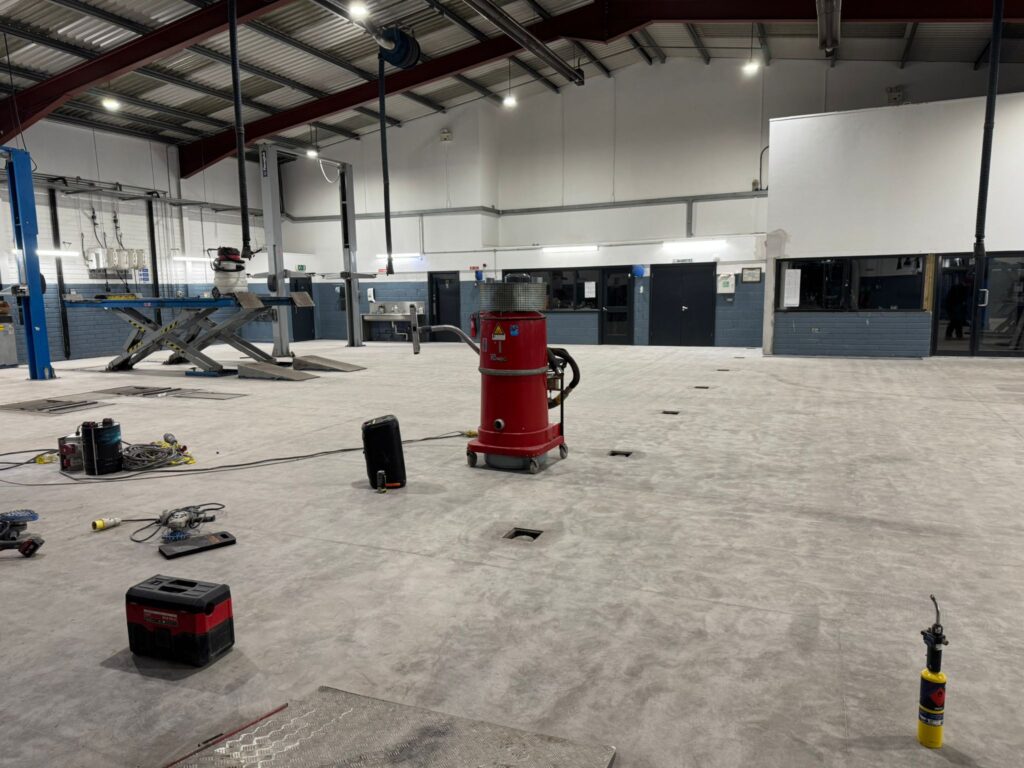
First up: preparation is everything. Before you even think about pouring concrete or rolling out vinyl, you need to make sure the base is just right. Imagine trying to paint a wall that’s covered in dust and cracks. Not a good look. The same goes for factory floors. All debris, old coatings, and imperfections must be removed. Sometimes, this means grinding or shot blasting the surface. Other times, it’s about patching up cracks or uneven spots. Skipping this step is like building a house on sand—nothing lasts.
Next comes the choice of materials. This isn’t just about picking what looks good. You need to match the material to your factory’s needs. Heavy machinery? Epoxy or reinforced concrete might be your best bet. Lots of foot traffic? Maybe vinyl or polyurethane. Each material comes with its own quirks and installation requirements. I remember once helping a friend who ran a small workshop. He went with basic tiles—big mistake. They cracked under the weight of his equipment within months. Lesson learned: always choose wisely.
Now, onto the actual installation. This is where things get technical. If you’re pouring concrete, it needs to be mixed just right and poured evenly. For epoxy, the resin and hardener must be blended perfectly, then rolled out quickly before it sets. Vinyl sheets or tiles need careful alignment and adhesive. Timing matters—a lot. Some floors need several layers, each one requiring time to cure before the next goes on. Rushing this step is like taking a cake out of the oven too soon—it just won’t hold up.
Finishing touches matter more than you think. Once the main layer is down, it’s time to seal and finish. This can mean adding a protective coating, anti-slip textures, or even painting safety lines. These details might seem minor, but they keep your workers safe and your floor looking sharp. I once saw a factory skip the anti-slip coating to save a few euros. Within weeks, there were slips and near misses. Not worth the risk.
Don’t forget the curing stage. This is the waiting game. Some materials, like concrete or epoxy, need time to set and reach full strength. Walk on them too soon, and you risk permanent damage. It’s tempting to rush back to business, but patience pays off. Think of it as letting your floor “rest” before it faces the daily grind.
Here’s a quick look at the typical timeline for factory flooring installation:
| Stage | Typical Duration | Key Considerations |
|---|---|---|
| Preparation | 1-3 days | Surface cleaning, repairs, levelling |
| Material Application | 1-2 days | Mixing, pouring, or placing materials |
| Finishing | 1 day | Sealing, texturing, safety markings |
| Curing | 2-7 days | Depends on material and weather |
Final tip? Always work with experienced installers. The best materials in the world won’t help if the job’s done poorly. Ask for references, check their previous work, and don’t be afraid to ask questions. After all, this floor will be the backbone of your factory for years to come. Get it right, and you’ll have a solid foundation for success.
Maintaining Your Factory Flooring
Keeping your factory flooring in top condition isn’t just about appearances—it’s about safety, efficiency, and saving money in the long run. In Dublin, where the weather can swing from damp to downright wet, proper maintenance is essential. The last thing anyone wants is a slippery floor causing accidents or a cracked surface slowing down production. Maintenance isn’t rocket science, but it does require a bit of attention and a good routine.
Let’s be honest—factory floors take a beating. Heavy machinery. Constant foot traffic. Occasional spills. I once visited a friend’s factory right after a pallet of paint tins toppled over. The floor was a mess, and it took hours to clean up. That’s when I realised how crucial a good cleaning schedule is. If you let grime and chemicals sit, they’ll eat away at even the toughest surfaces. For most Dublin factories, a simple daily sweep and a weekly deep clean with the right products can make a world of difference.
But cleaning is just the start. Regular inspections can catch small issues before they become big headaches. Look for cracks, chips, or any signs of wear. If you spot something, don’t wait. Get it sorted fast. A tiny crack today could mean a costly repair tomorrow. I’ve seen it happen—what started as a hairline crack in a concrete floor grew into a pothole, causing a forklift to get stuck. Not ideal.
Repairs are part and parcel of factory life. Whether it’s patching up a bit of epoxy or sealing a concrete joint, it pays to use the right materials and follow the manufacturer’s instructions. Some folks try to cut corners, but trust me, it never works out. Quality repairs help your floor last longer and perform better. If you’re unsure, it’s always wise to call in a professional—especially for bigger jobs.
Another thing to keep in mind is preventative measures. Simple steps like using mats at entrances, setting up spill stations, and training staff on proper cleaning techniques can prevent most problems before they start. Here’s a quick rundown of what works well in Dublin’s industrial settings:
- Mats and barriers to catch dirt and moisture at entry points
- Spill kits placed in high-risk areas
- Clear signage to remind workers about cleaning protocols
Don’t forget about compliance. Dublin factories must follow strict health and safety rules. Keeping your floor clean and well-maintained isn’t just good practice—it’s the law. Regular documentation of maintenance routines and repairs can save your skin if inspectors come knocking. I remember a client who kept meticulous records; when a surprise inspection happened, they breezed through without a hitch.
In the end, maintaining your factory flooring is about being proactive. A little effort each week keeps your workspace safe, efficient, and looking sharp. And if you ever feel overwhelmed, remember—there are expert contractors in Dublin ready to lend a hand, whether it’s for advice, repairs, or a full maintenance plan. Your floor is the foundation of your operation. Treat it right, and it’ll serve you well for years to come.
Finding Reliable Factory Flooring Contractors in Dublin
Finding the right contractor for your factory flooring in Dublin can feel like searching for a needle in a haystack. There are so many companies out there, each promising the best results. But let’s be honest—not all contractors are created equal. Some deliver quality, while others leave you with headaches. How do you separate the wheat from the chaff? Let me walk you through what I’ve learned from years of working with industrial spaces in Dublin.
First things first, experience matters. You want a contractor who’s not just dipped their toes in the water but has swum a few laps. Someone who’s handled factory floors, not just home garages. Ask them about their previous projects. If they can’t show you photos or share references, that’s a red flag waving in the wind.
I remember a time when we needed a new floor for our small production unit. We went with a contractor who looked great on paper. But halfway through, it was clear they were out of their depth. Delays. Mess-ups. The whole nine yards. In the end, we had to bring in someone else to fix the mess. That’s when I learned: always check credentials before signing anything.
Here’s a little checklist I use now whenever I’m picking a contractor in Dublin:
- Certifications and insurance: Make sure they’re properly insured and certified for industrial flooring work.
- Local reputation: Ask around. Word-of-mouth is powerful in Dublin. If a contractor has a good name, people will talk.
- Portfolio: Look at their previous work. Are the floors still holding up?
- Transparency: Do they give clear quotes and timelines? Or do you get vague answers?
A good contractor will also be upfront about the materials they use. They’ll explain the pros and cons of each option—whether it’s epoxy, concrete, or vinyl. They won’t try to push the most expensive choice just to pad their pockets. Instead, they’ll focus on what’s best for your factory’s needs and your budget.
Don’t forget about health and safety. In Dublin, factories must meet strict regulations. The right contractor will know these rules inside out. They’ll ensure your new floor is compliant, slip-resistant, and safe for your staff. If they brush off your questions about safety, walk away. Fast.
Let’s talk about communication. You want someone who picks up the phone, answers emails, and keeps you in the loop. There’s nothing worse than being left in the dark during a big project. A reliable contractor will update you at every stage—from prep work to the final finish.
For those who love a good comparison, here’s a handy table to help you weigh up your options:
| Criteria | What to Look For | Why It Matters |
|---|---|---|
| Experience | Years in industrial flooring, proven track record | Ensures quality work and fewer surprises |
| Certifications | Insurance, health & safety compliance | Protects you legally and guarantees standards |
| Portfolio | Photos, references, site visits | Shows real results and satisfied clients |
| Communication | Responsive, clear, honest | Keeps the project on track and stress-free |
Finally, don’t rush the decision. Take your time. Meet with a few contractors. Ask questions. Get quotes. Trust your gut. If something feels off, it probably is. The right contractor will make you feel confident, not pressured.
In Dublin’s fast-paced factory scene, a solid floor is more than just concrete underfoot—it’s the foundation of your business. Choose your contractor wisely, and you’ll have a floor that lasts for years, keeping your team safe and your operations running smoothly. That’s peace of mind you can’t put a price on.